
Simple Maintenance Steps That Keep Your Driveway Strong for Years
You can prevent cracks in your concrete driveway by starting with proper base prep, controlling water, sealing the surface, and fixing small issues early. Most driveway cracks happen from poor drainage, weak soil, heavy loads, or freeze and thaw cycles. With the right habits and timely care, your driveway can stay smooth and solid for many years.
Why Prevention Matters
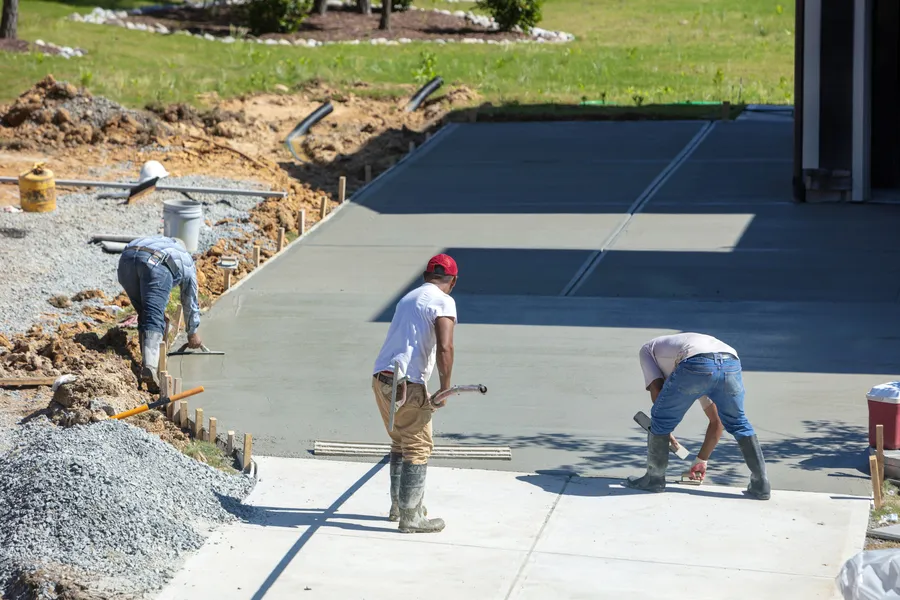
Concrete is strong, but it is not flexible. When the ground shifts or water gets underneath, it can crack. Small cracks may not seem like a big deal at first. Over time, they grow wider and deeper. Water seeps in, freezes, and pushes the crack open.
This leads to uneven surfaces, trip hazards, and costly repairs. A well-planned concrete driveway installation reduces these risks from the start. Good prevention steps protect your investment and keep your property looking clean and maintained.
Early Warning Signs
Spotting problems early can save you money. Walk your driveway every few months and look closely at the surface.
- Small hairline cracks
- Areas that look slightly sunken
- Water pooling after rain
- Edges breaking or chipping
- Surface flaking or scaling
If you catch these signs early, you can fix them before they spread. Waiting too long allows small damage to turn into large structural cracks.
Seasonal and Routine Checklist
Simple routine care goes a long way. Use this checklist to keep your driveway in good shape year-round:
- Seal the surface every 2 to 3 years.
- Clean off oil, dirt, and stains quickly.
- Keep gutters and downspouts clear.
- Direct water away from the driveway.
- Avoid using de-icing chemicals with harsh salts.
- Remove snow with a plastic shovel, not metal.
Sealing helps block moisture from getting inside the concrete. Cleaning prevents chemicals from breaking down the surface. Good drainage keeps water from sitting and weakening the base.
Best Practices for Long-Term Results
Long-lasting driveways begin with solid planning. During concrete driveway installation, the ground must be compacted and graded the right way. A strong gravel base supports the slab and reduces shifting.
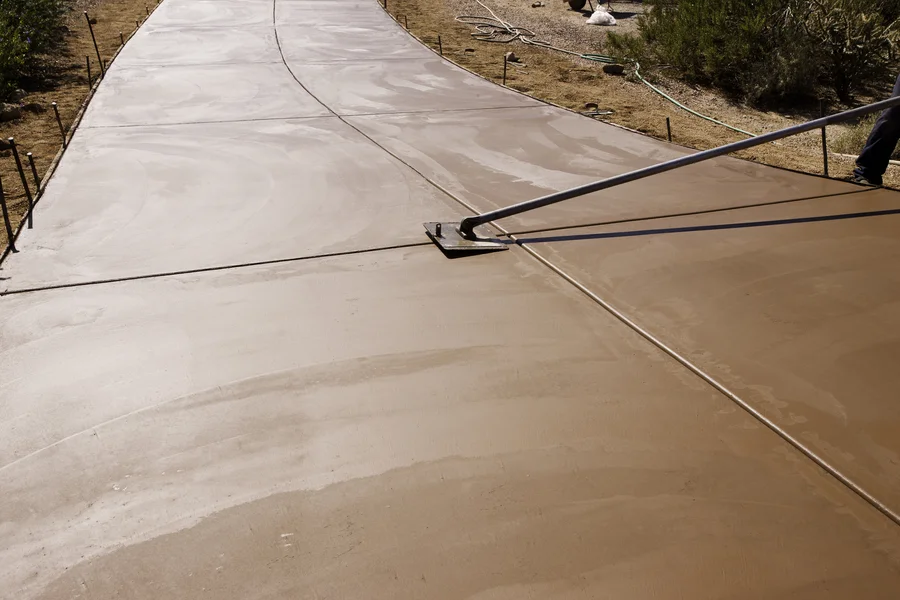
Control joints are also key. These are planned lines cut into the concrete. They guide where the slab can crack in a straight line instead of randomly. Without them, cracks can form anywhere.
Thickness matters too. Most residential driveways should be at least four inches thick. Heavier vehicles may require more support. If you park large trucks or heavy equipment on the driveway, extra reinforcement helps reduce stress.
Good drainage design also protects your investment. Water should flow away from the driveway, not toward it. This step is often overlooked but makes a big difference over time.
What Not to Do
Certain actions increase the risk of cracks. Avoid these common mistakes:
- Parking heavy dumpsters on thin slabs
- Using rock salt during winter storms
- Ignoring small cracks for years
- Allowing tree roots to grow underneath
- Skipping professional inspections after large shifts
Tree roots are a major cause of lifting and cracking. If a tree grows too close, its roots can push against the slab from below. Planning landscaping carefully helps prevent this issue.
Another mistake is adding concrete patches without checking the base. If the soil underneath is unstable, the problem will return. Surface repairs will not fix deeper settling issues.
While this article focuses on driveways, many of the same principles apply to other concrete projects. Proper concrete service techniques always start with a solid base and smart water control.
When to Schedule Professional Help
Some cracks are cosmetic. Others point to larger foundation or soil problems. Call a professional if you notice:
- Cracks wider than a quarter inch
- Sections shifting at different heights
- Large areas sinking
- Repeated cracking after repairs
An expert can inspect the base, drainage, and overall condition. In some cases, lifting or replacing part of the slab may be needed. Addressing the cause prevents repeat damage and protects your entire concrete driveway installation.
Protect Your Driveway With Expert Support
Keeping your driveway crack-free takes planning and regular care. In Boonville, IN, soil movement and weather changes can add extra stress to concrete surfaces. Our team at Affordable Concrete handles durable concrete driveway installation designed for local conditions. We focus on proper base prep, drainage planning, and long-term durability so problems are less likely to start. If you have questions or want an inspection, call us at (812) 305-1043 and we will be happy to help.